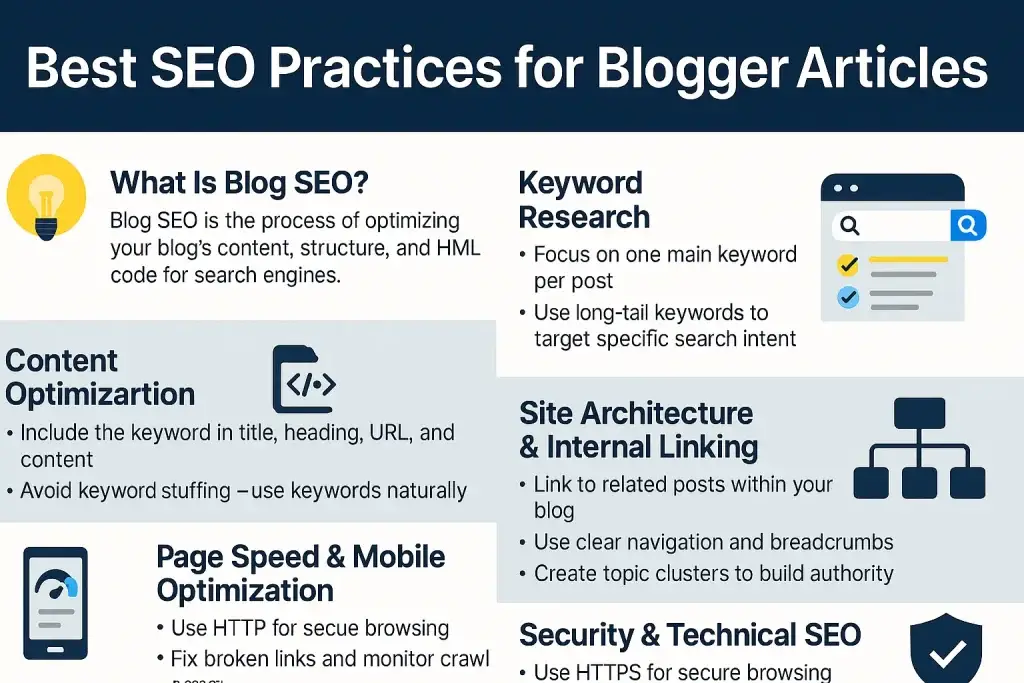
Blogger vs WordPress compared in detail with SEO, pricing, customization, and performance insights.
Blogger vs WordPress compared, Blogger vs WordPress SEO, Blogger vs WordPress for beginners, Blogger vs WordPress pros and cons, Blogger vs WordPress customization, Blogger vs WordPress pricing.
Blogger vs WordPress Compared: SEO, Pricing, and Features
Blogger vs WordPress Compared: SEO, Pricing, and Features<
Choosing between Blogger and WordPress is one of the most important decisions for anyone starting a blog or building a content-driven website.
Each platform has unique strengths and weaknesses that affect SEO, customization, pricing, and long-term scalability.
This article provides a detailed comparison of Blogger vs WordPress compared across multiple categories to help you make the right choice.
Blogger vs WordPress compared for beginners
When it comes to beginners, Blogger offers a simple interface that requires minimal technical knowledge.
WordPress, on the other hand, provides a more flexible but slightly steeper learning curve.
For someone who wants to publish quickly without worrying about hosting or plugins, Blogger is appealing.
However, WordPress gives beginners the ability to grow into advanced features without migrating later.
This makes the decision between Blogger vs WordPress compared for beginners a matter of short-term simplicity versus long-term growth.
Blogger vs WordPress SEO performance
Search engine optimization is critical for online visibility.
Blogger has basic SEO tools, but WordPress offers advanced plugins like Yoast SEO and Rank Math that allow granular control over metadata, sitemaps, and schema markup.
This flexibility makes WordPress the stronger option for long-term SEO strategies.
Still, Blogger integrates seamlessly with Google’s ecosystem, which can provide an initial boost.
Ultimately, Blogger vs WordPress SEO performance depends on whether you value simplicity or advanced optimization.
Blogger vs WordPress pricing breakdown
Pricing is often a deciding factor.
Blogger is completely free, with hosting included, but it comes with limitations in customization and monetization.
WordPress itself is free, but you need to pay for hosting, themes, and plugins.
This means costs can range from a few dollars per month to hundreds depending on your needs.
The choice between Blogger vs WordPress pricing depends on whether you want a free, limited platform or a scalable, professional-grade solution.
| Feature | Blogger | WordPress |
|---|---|---|
| Cost | Free hosting, limited customization | Hosting required, scalable pricing |
| SEO Tools | Basic built-in | Advanced plugins available |
| Customization | Limited templates | Thousands of themes and plugins |
| Ownership | Google-controlled | Full ownership with self-hosting |
Blogger vs WordPress customization options
Customization is where WordPress shines.
With thousands of themes and plugins, you can create virtually any type of website.
Blogger offers only a handful of templates with limited flexibility.
If branding and unique design are important, WordPress is the clear winner.
Still, Blogger’s simplicity appeals to users who do not want to deal with technical details.
The debate of Blogger vs WordPress customization highlights the trade-off between simplicity and creative freedom.
Blogger vs WordPress pros and cons explained
Every platform has advantages and disadvantages.
Blogger’s pros include free hosting, integration with Google AdSense, and ease of use.
Its cons are limited customization, lack of ownership, and fewer SEO tools.
WordPress pros include scalability, advanced SEO, and full ownership.
Its cons are higher costs and a steeper learning curve.
Understanding Blogger vs WordPress pros and cons helps you align your choice with your goals.
Security and reliability compared
Security is a major concern for any website owner.
Blogger benefits from Google’s infrastructure, which means strong protection against common threats.
However, you have little control over advanced security measures.
WordPress allows you to install security plugins, configure firewalls, and manage backups.
This flexibility gives you more control but also more responsibility.
The choice depends on whether you prefer managed security or customizable protection.
Monetization opportunities
Blogger integrates directly with Google AdSense, making it easy to monetize with ads.
However, the options are limited compared to WordPress.
With WordPress, you can use multiple ad networks, affiliate marketing, e-commerce plugins, and membership systems.
This makes WordPress the better choice for serious monetization strategies.
Still, Blogger provides a quick and simple way to earn revenue without technical setup.
Scalability and growth potential
If you plan to grow your website into a large-scale project, scalability matters.
Blogger is best for small to medium blogs with limited customization needs.
WordPress can handle everything from small blogs to enterprise-level websites.
Its ecosystem of plugins and themes makes it adaptable to almost any requirement.
This scalability is one of the strongest reasons professionals choose WordPress.
Community and support
Blogger has limited community support, with most help coming from Google’s documentation.
WordPress, however, has a massive global community.
You can find tutorials, forums, plugins, and professional developers to help with any issue.
This makes WordPress a safer long-term choice if you anticipate needing support.
Migration process
Migrating from Blogger to WordPress is possible but requires careful planning.
You need to export your content, import it into WordPress, and set up redirects to preserve SEO.
Many guides and plugins simplify this process.
Still, it is easier to start with WordPress if you anticipate needing advanced features later.
Case studies and real-world examples
Many successful websites started on Blogger but eventually migrated to WordPress for more flexibility.
For example, personal bloggers often begin with Blogger due to its simplicity.
As their audience grows, they move to WordPress to take advantage of advanced SEO and monetization.
This pattern highlights the long-term benefits of WordPress for serious projects.
External resources for deeper insights
For more detailed comparisons, you can explore trusted resources like
WPBeginner’s Blogger vs WordPress guide
and
Hostinger’s Blogger vs WordPress tutorial.
These external references provide additional perspectives and case studies.
Final verdict
The decision between Blogger and WordPress depends on your goals.
If you want a free, simple platform for casual blogging, Blogger is a good choice.
If you want full control, advanced SEO, and scalability, WordPress is the better option.
By understanding Blogger vs WordPress compared across SEO, pricing, customization, and long-term growth, you can make an informed decision that aligns with your vision.